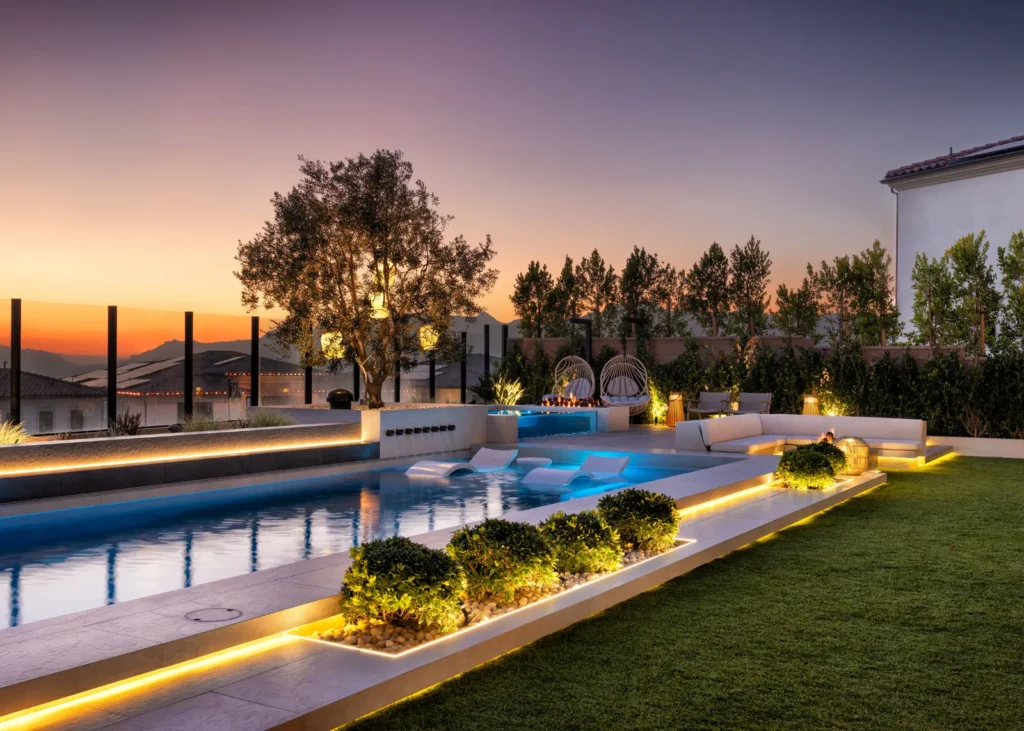
Key Takeaways:
A California-inspired garden isn’t about copying a look. It works when the space is designed around how it’s actually used and maintained.
— Start with layout. The way the space connects to the house is what determines how often it actually gets used.
— Use structure in planting. A few well-placed, architectural plants will do more than filling every bed.
— Layer lighting early. Lighting impacts how long the space works at night and how it feels.
— Add one functional feature. Water, citrus, or herbs give the space a purpose beyond just looking finished.
How do you design a California-inspired garden that actually works?
A California-inspired garden works when the layout is designed around how the space is used first, then supported with drought-tolerant planting, strong indoor-outdoor flow, layered lighting, and a few intentional features that make the space part of everyday life.
Read the full article on Livingetc
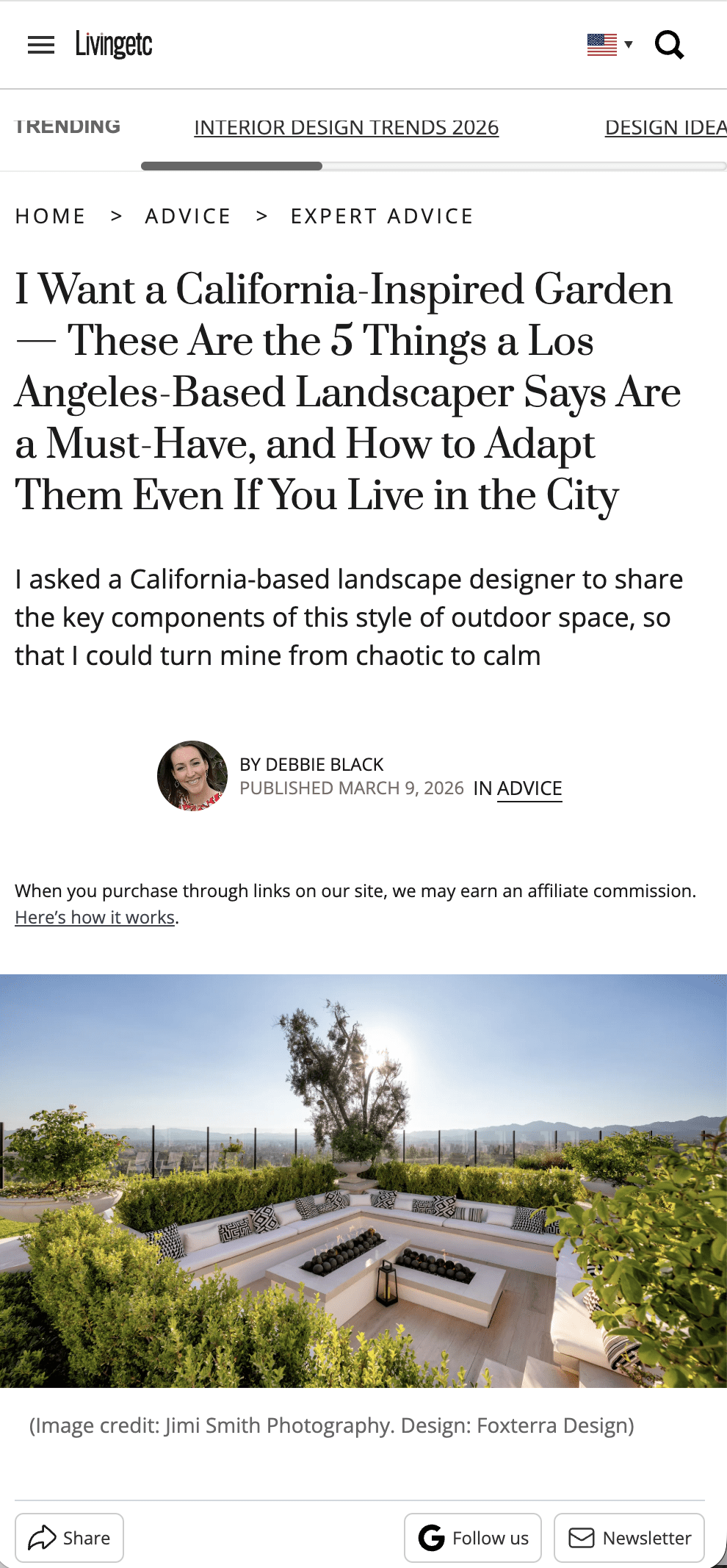
I Want a California-Inspired Garden — These Are the 5 Things a Los Angeles-Based Landscaper Says Are a Must-Have, and How to Adapt Them Even If You Live in the City
I asked a California-based landscape designer to share the key components of this style of outdoor space, so that I could turn mine from chaotic to calm
About the Feature
Foxterra was recently featured in Livingetc, where Nate Fox shared how to approach a California-inspired garden in a way that works in different settings.
The goal is not to recreate a specific look. The goal is to build a space that feels easy to use, holds its structure over time, and fits the house it sits next to.
Below is how those ideas translate into real design decisions.
What Was Covered
The article walks through a few core decisions that shape this type of space.
It looks at planting that holds its form without constant upkeep. It focuses on keeping a clear connection between the house and the yard. It also covers water features, lighting, and small elements like citrus or herbs that make the space feel active.
Everything points back to keeping the space simple and intentional so it works day to day.
Foxterra’s Perspective
The approach in the article lines up with how we think about outdoor space, but it comes down to how these decisions get made together.
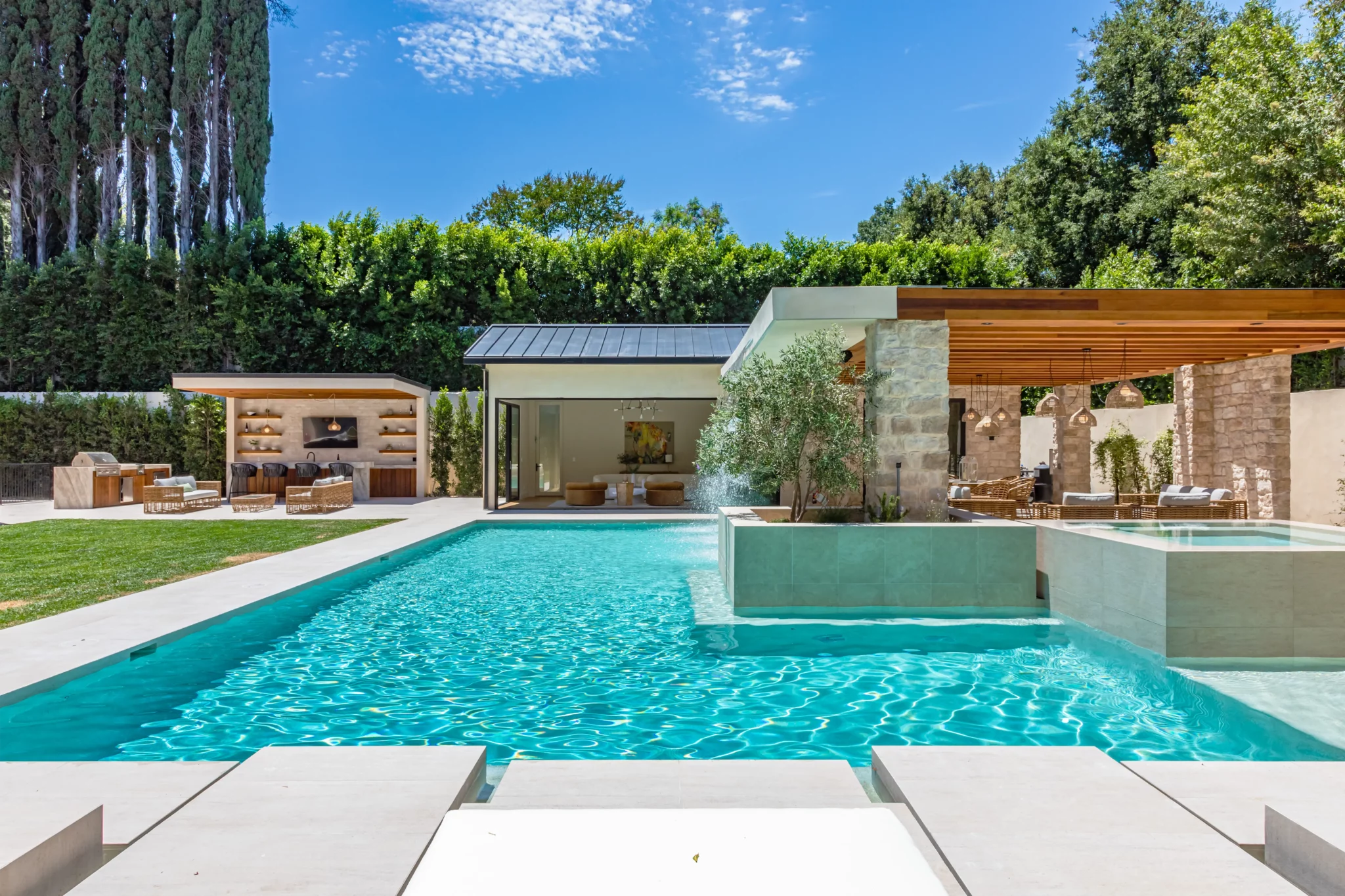
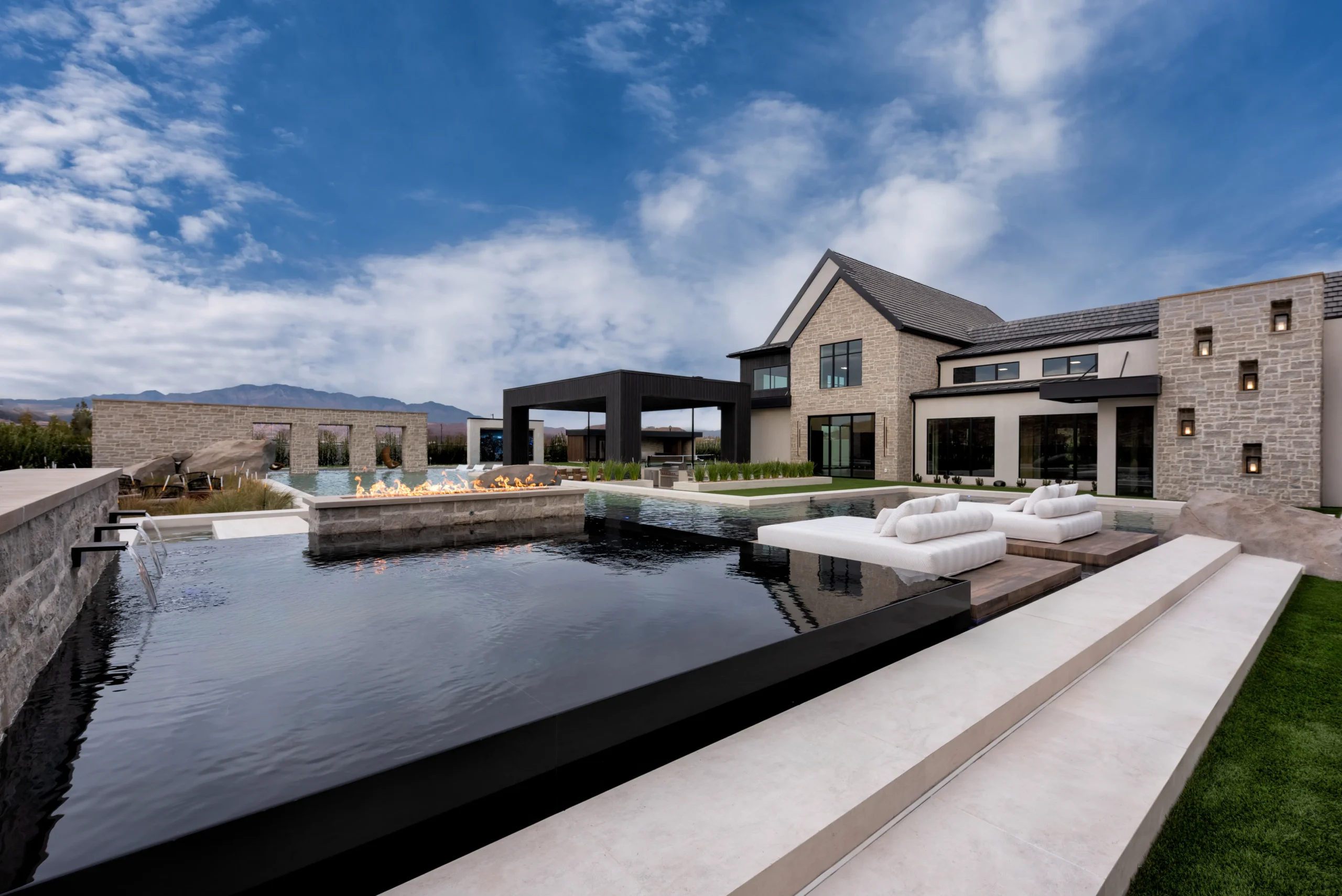
We start with layout. You look at where you step outside and what happens from that point. That first move sets the tone for the entire space.
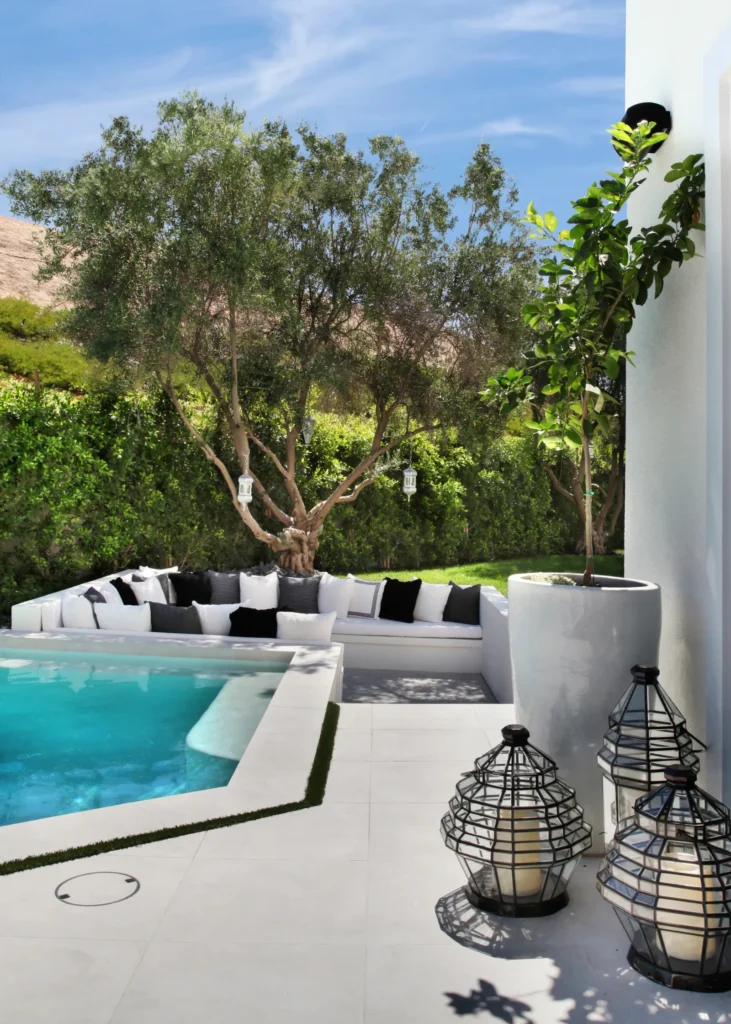
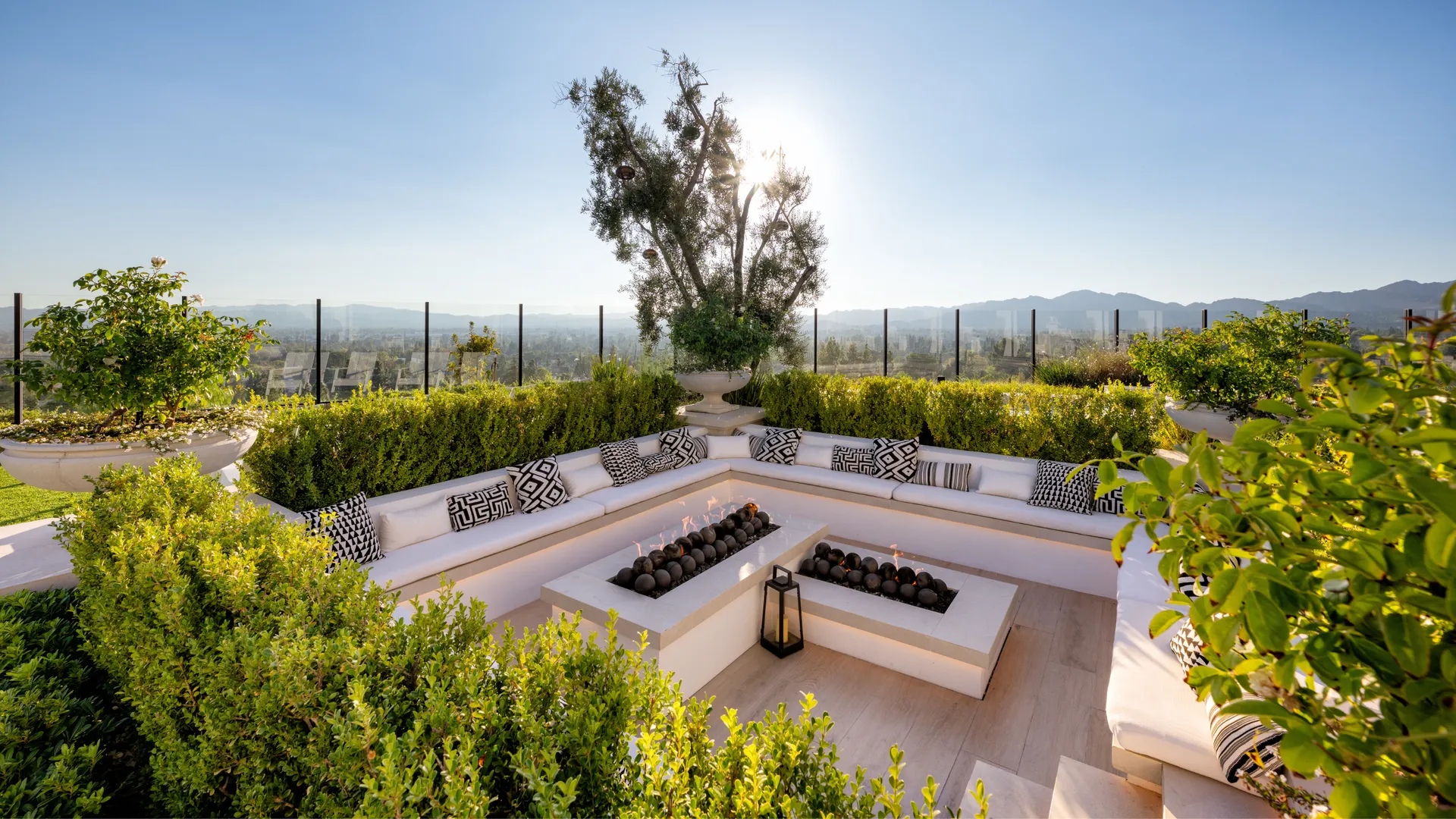
Planting should give the space structure. You do not need to fill every area. A few plants in the right positions will define the space and keep it easier to maintain.
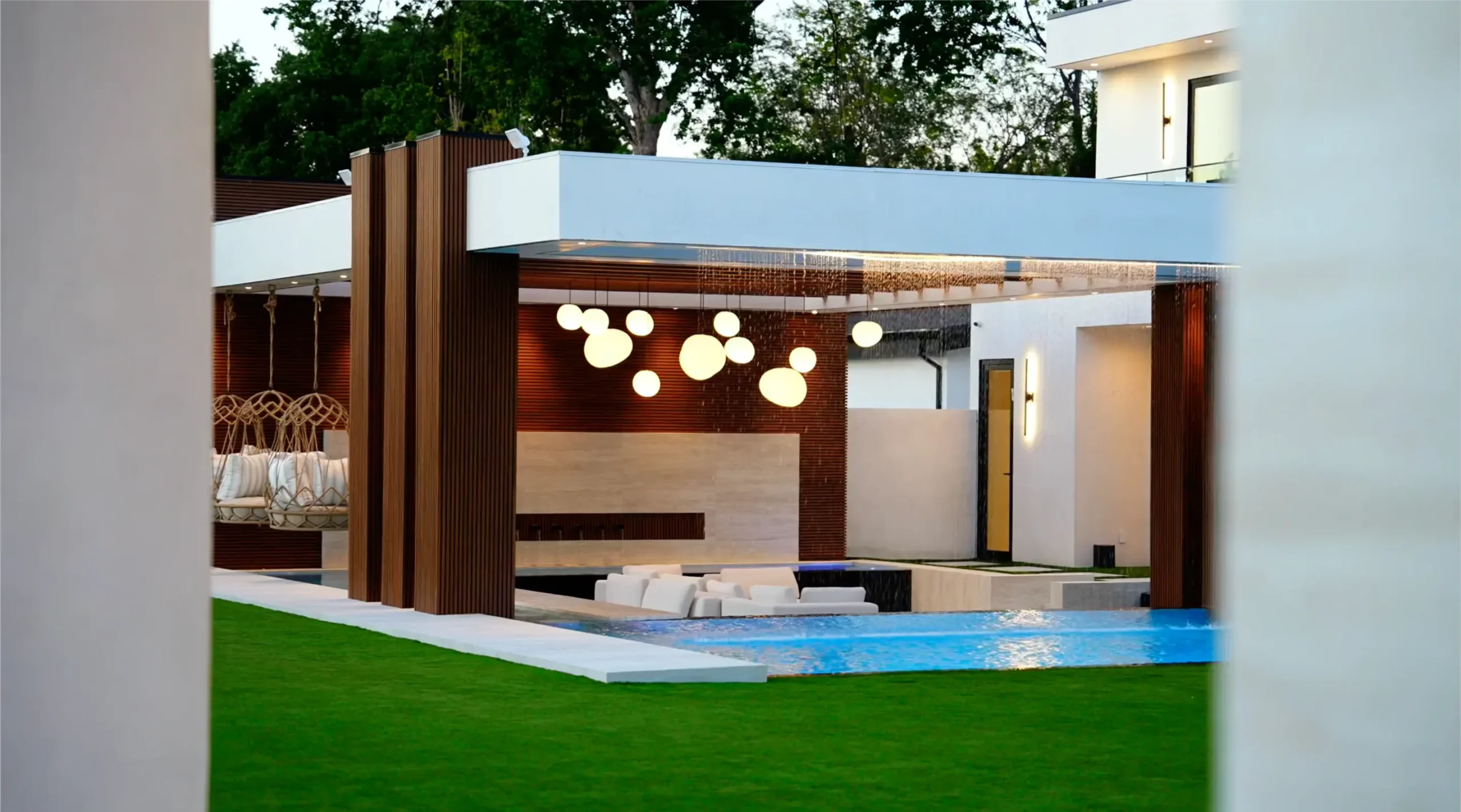
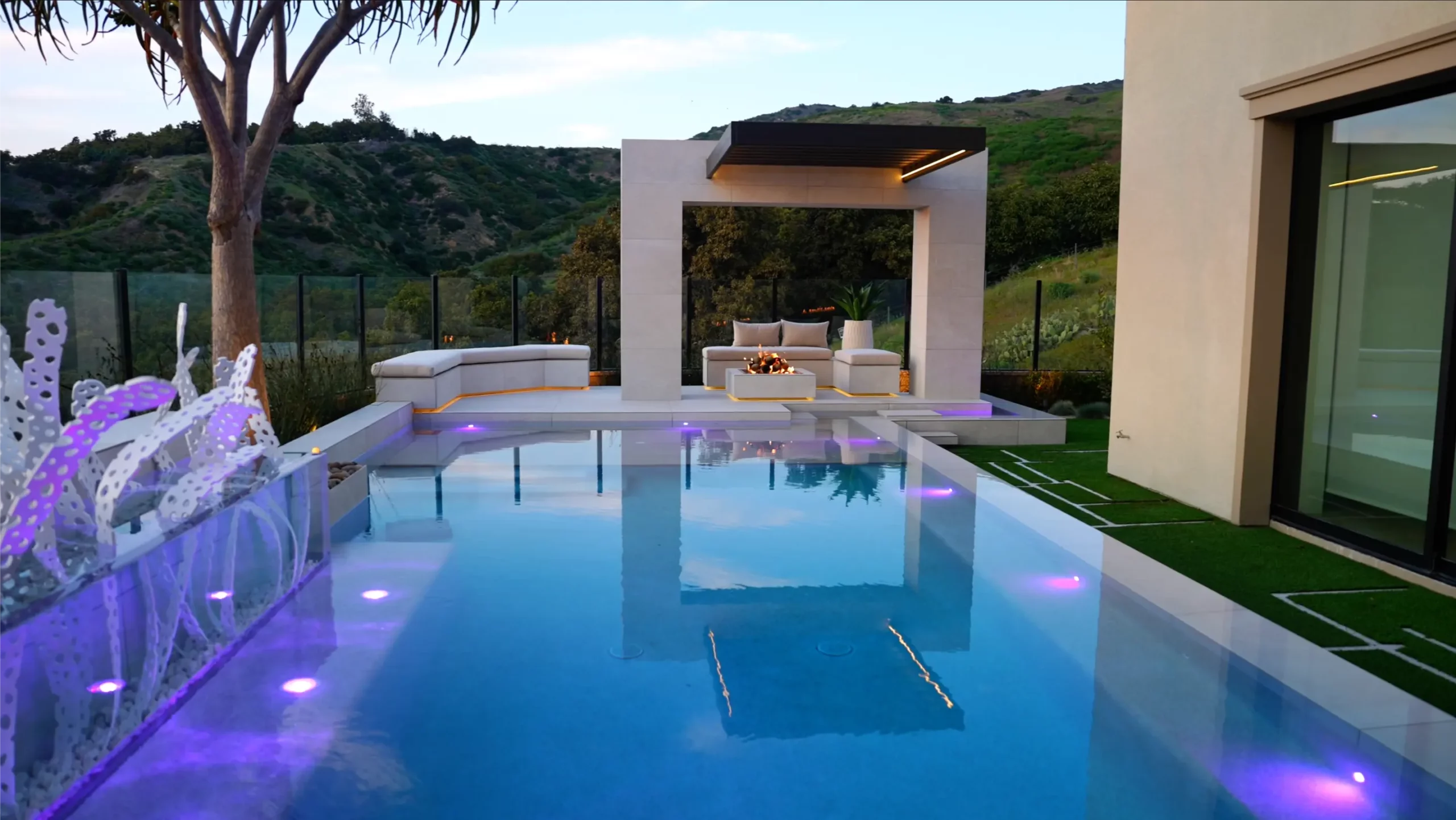
Lighting needs to be part of the plan early. It changes how the space feels at night and how often it gets used. If you wait until the end, it never works the same way.
Water works best when it sits near where people spend time. You should experience it while you are in the space, not just see it from a distance.
Adding something you can use, like citrus or herbs, shifts how the space gets used. It becomes part of your routine instead of something you walk past.
When all of that lines up, the space feels simple because every piece has a reason to be there.
About Foxterra
Foxterra designs outdoor spaces that connect directly to the home and support how people actually live. Each project is designed with a clear structure and a focus on how the space will be used.
Frequently Asked Questions
Q: What was Foxterra featured for in Livingetc?
A: Foxterra was featured in Livingetc in an article about the key elements that shape a California-inspired garden, including planting, lighting, water, and edible elements like citrus or herbs.
Q: What is a California-inspired garden?
A: A California-inspired garden focuses on clean planting, simple materials, and an easy connection between the house and the yard. The goal is to create a space that feels natural to use and easy to maintain.
Q: Can a California-inspired garden work outside of California?
A: Yes. The same design approach can work in other regions by adjusting plant selection and materials to fit the climate while keeping the overall layout and feel consistent.
Q: What design elements have the biggest impact in this type of garden?
A: Layout, planting structure, lighting, water, and a few usable features like citrus or herbs have the biggest impact. Those decisions shape how the space looks, feels, and gets used over time.
Behind The Article
Nate Fox
Designer
Nate Fox helps shape Foxterra’s creative vision, focusing on proportion, layout, and how outdoor spaces are experienced. His work centers on creating environments that feel connected, usable, and intentional.
For this story, Nate focuses on how a California-inspired garden comes together through layout, planting, and a few simple elements that make the space feel natural to use and easy to maintain.