Key Takeaways:
The revision phase sets the tone for the entire construction experience. When it’s handled well, everything downstream feels smoother.
— Know your property first. Lot coverage, setbacks, and easements shape what’s legally possible before design ever begins.
— Let budget guide the design. A rendering only works if it reflects real construction numbers.
— Protect the momentum. The longer a design sits dormant, the harder it is to move forward confidently.
— Plan timelines realistically. Approvals, inspections, and scheduling pauses are part of the process — not exceptions.
At Foxterra, our goal is not just to design a beautiful yard. It’s to help you finally get a yard you love.
That’s the tagline on our website, and it’s the foundation of everything we do.
We don’t just finalize a plan.
We don’t just create a design.
We help you carry that plan into construction as smoothly as possible, and we’re there to support you as your yard actually gets built.
Because the difference between a project that runs smoothly and one that becomes stressful usually comes down to a few key decisions — decisions that must be made before a shovel ever goes into the ground.
Here are the most important things we want clients to understand during the design revision phase, and the checklist we use to make sure nothing gets missed before moving into construction.
Understanding Your Property: Codes, Lot Coverage, and Easements

This has to be addressed first and foremost.
Understanding your property means more than just knowing your lot size. It means having a full understanding of city codes and, if applicable, HOA codes. These are the things that outline what can and can’t be built and are essential to understand when deciding on the design for your new yard.
Many homeowners have a basic understanding of setbacks. For example, a structure or pool may need to be set back a certain number of feet from the property line.
But there are lesser-known restrictions that can have an even bigger impact, like lot coverage.
Lot coverage simply means there’s a square footage limit on what can be built. It’s typically a percentage of your full lot size. Sometimes it applies only to the house. Sometimes the house and all additional structures are lumped together.
And this is important to know because it can drastically impact your design.
You could have a large lot, but if the lot coverage is 30%, you may have a much smaller buildable footprint than you think.
Another critical thing to understand is easements.
An easement may exist for drainage or utilities. It’s essentially a no-go zone when it comes to building. In some cases, plants may be allowed, but structures are not. It must be clearly identified and defined before any design decisions are finalized.
It’s easy to look at someone else’s gorgeous yard and say, “I want exactly that.”
But sometimes it’s not about budget. It’s not about vision. It’s simply that your specific lot restrictions make certain elements impossible.
There can be gray areas. There can be some flexibility. But it’s crucial to work with a team that goes through everything with a fine-tooth comb.
Because the worst outcome is falling in love with a design that can’t legally be built on your property.
Budget: Keeping Vision Grounded in Reality
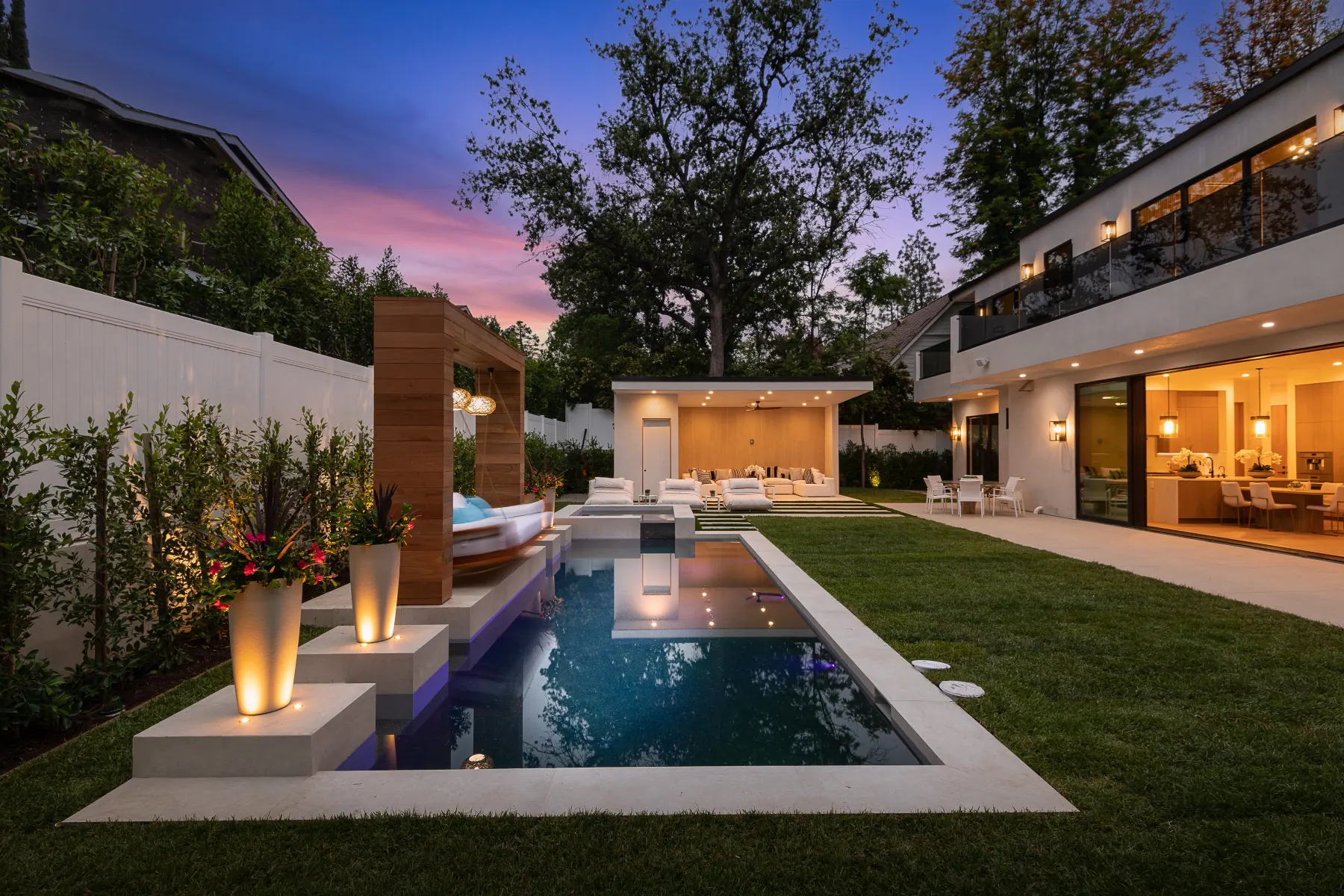
We work with all types of budgets — lower, mid-range, and unlimited.
But no matter the number, we always stay grounded in reality for our clients.
We could design the most elaborate, luxurious outdoor space. But if it doesn’t meet the client’s budget, it’s just a beautiful rendering that will never be built.
Budget has to be part of the design process from the start. Not something that comes after the design is finalized.
When working with preferred builders, we make sure real-world, real-time numbers are integrated as the design evolves. That way, there are no surprises at the end.
Vision is important. But buildability is everything.
Don’t Let the Design Go Dormant
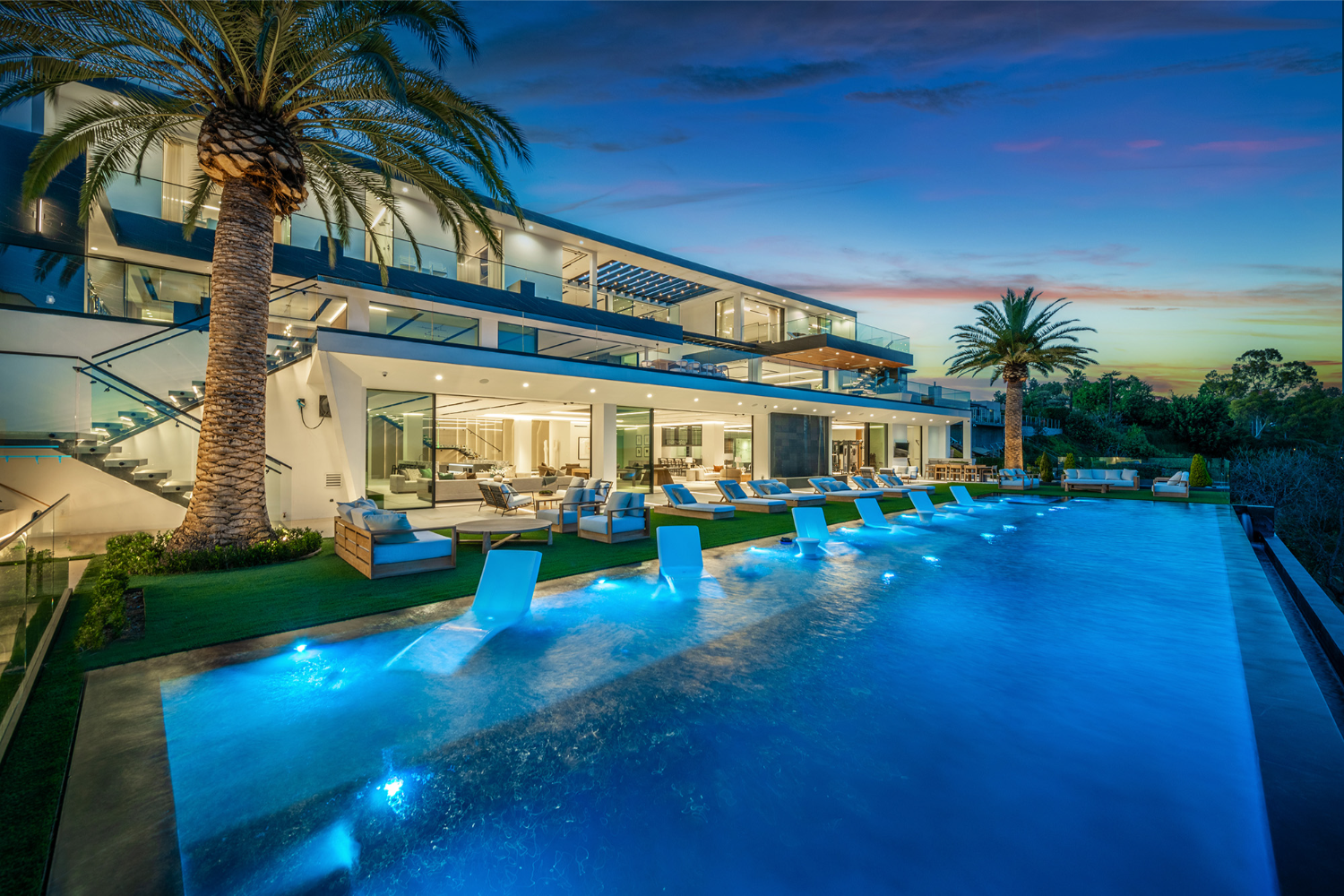
Once the initial reveal happens and you love the design, it’s natural to want time to sit with it.
We typically recommend taking two to three weeks to sleep on it. Think through your lifestyle. Confirm the features. Revisit the budget. Make sure everything feels right before finalizing.
But here’s what we’ve seen time and time again:
– This is where projects lose steam.
– There’s excitement during the reveal. Energy. Momentum.
– Then, things get busy with travel, work, family. And suddenly the design sits untouched for three, six months. Or sometimes even longer, like a year or more.
And the project stalls.
When a design sits dormant for too long, it almost requires a relaunch just to bring everyone back up to speed. Clients have to revisit decisions, reconfirm preferences, and rebuild clarity.
At this point, it’s easier to second-guess choices that were once clear.
We fully understand that life happens. But we always encourage clients not to linger too long in revisions. Momentum matters.
Construction Timeline: Expect Built-In Delays
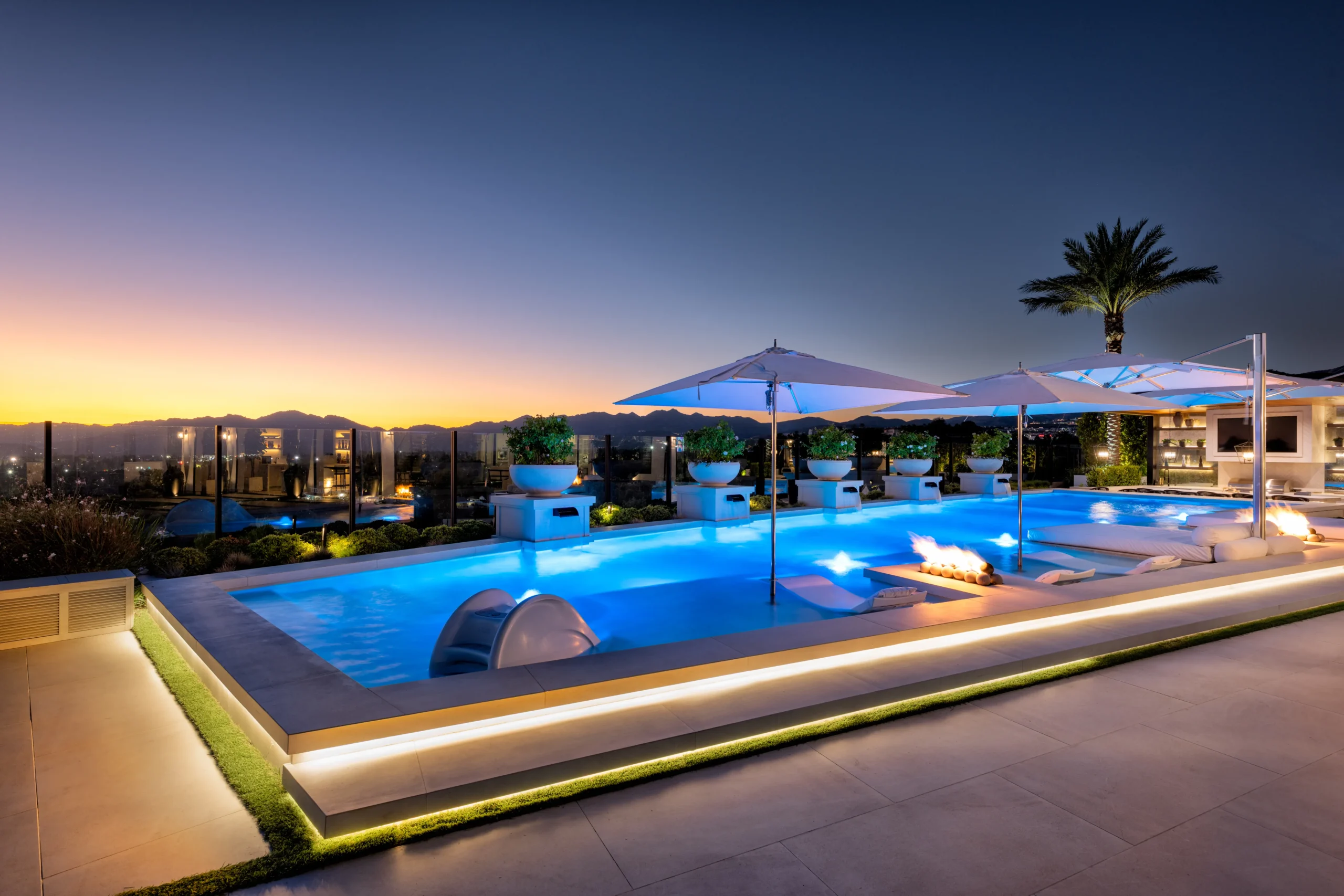
Construction timelines are lengthy. And there will be delays. That’s just the reality.
Before construction even begins, there’s a submittal phase for things like:
– City approvals
– HOA approvals
HOA approval alone can take one to two months, sometimes longer.
And after approvals are secured and construction begins, there are built-in pauses like:
– Waiting on inspections
– Waiting for city sign-off
– Scheduling subcontractors
– Material backorders
Even if everything goes well, there will be moments when construction pauses because that’s simply how the process works.
This is why we emphasize honesty in timeline conversations.
If you have a specific deadline, like an anniversary party, a birthday celebration, or a major event, that needs to be communicated early in the design phase.
The more time you allow, the less frustration you’ll experience. Planning ahead minimizes stress.
Why the Revision Phase Matters More Than Most Homeowners Realize
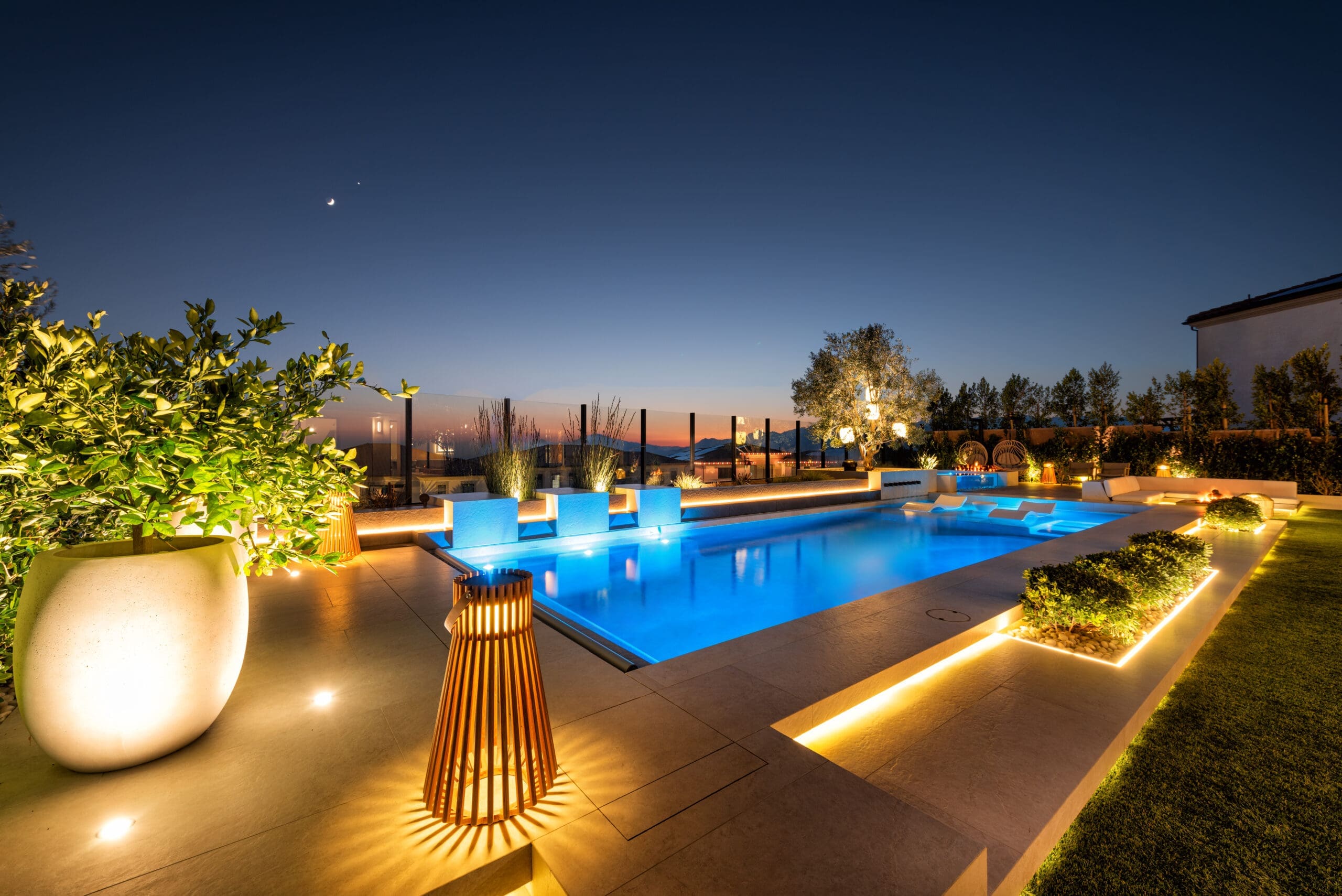
Planning and preparation are the key to a smooth building process.
It’s so important to understand the elements that can impact both time and cost once construction begins.
The revision phase isn’t just about adjusting the look of your yard, it’s also about making sure you’re fully prepared to move forward with confidence.
Because a beautiful design is only successful if it can actually be built.
If you’re thinking about building and want to make sure your project will be seamless, book a call with us. We’ll help you get clear on what needs to be finalized now so construction feels straightforward later.
Book a free design consultation with Foxterra, and let’s bring your outdoor space to life.
👉 Start Your Design Today
📩 Subscribe for Weekly Design Ideas
💭 Download Our Free Inspiration Guide
$38 Million Bel Air Mansion | High-End Gym, Bowling Alley & Infinity Pool
See how we transformed this $38M hillside estate in Bel Air. It started as an empty lot, and we turned it into a multi-level indoor–outdoor oasis designed to feel like a private resort. In this video, we break down what makes this indoor–outdoor home feel so immersive, including:
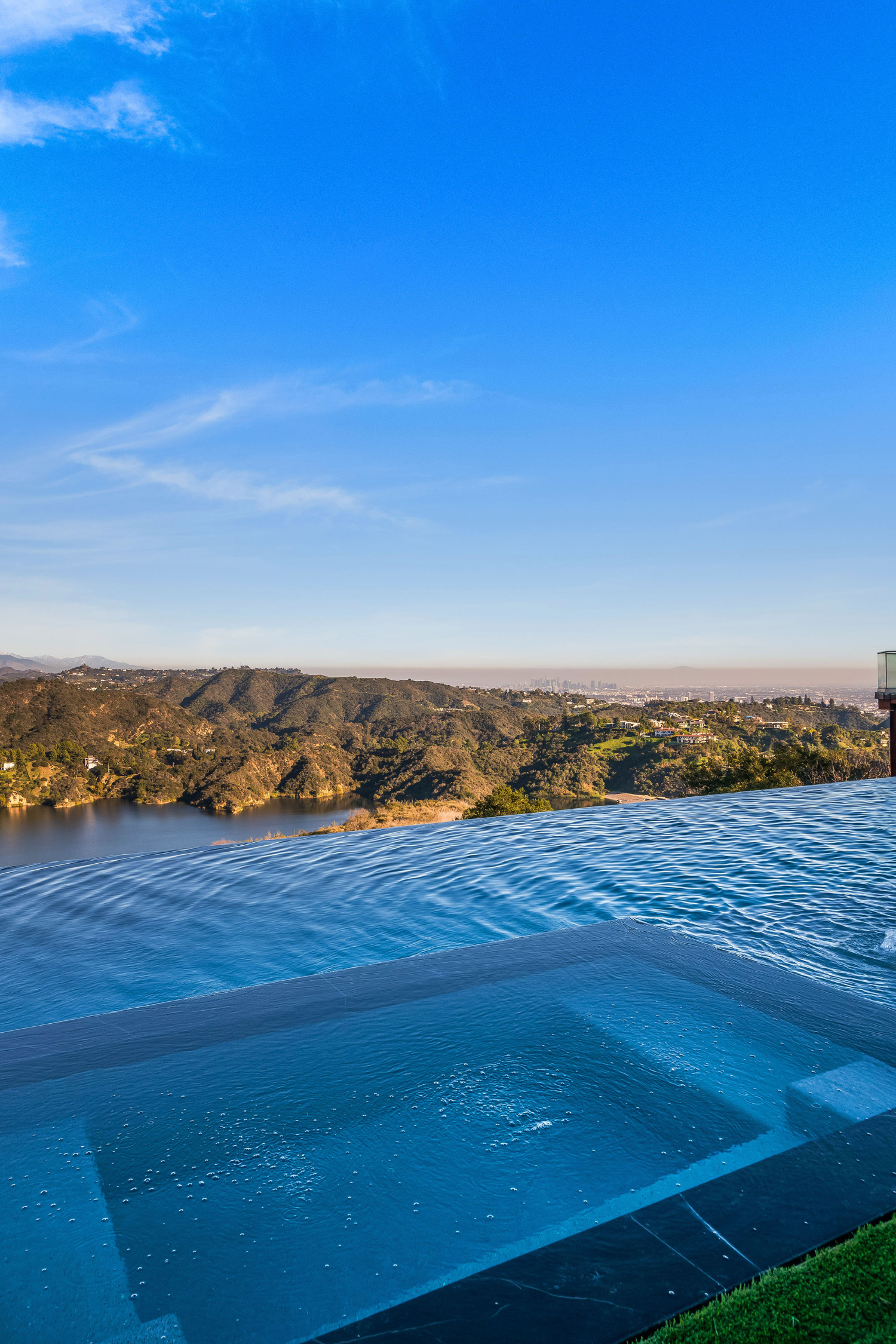
-How we designed a 90-foot infinity pool that hangs over the hillside and blends into the reservoir below
-The luxury features we added to create a spa-like atmosphere throughout the outdoor space
-How we planned seating and circulation to feel spacious for everyday living and 100-person parties
Frequently Asked Questions
Q: What should I finalize before building a backyard project?
A: Before building, you should finalize your property restrictions (lot coverage, setbacks, easements), confirm budget alignment, complete design revisions, and understand realistic construction timelines.
Q: What is lot coverage in backyard design?
A: Lot coverage is the percentage of your property that can legally be built on. In many municipalities, it includes the house and all additional outdoor structures combined.
Q: How long does HOA approval take for outdoor renovations?
A: HOA approval often takes one to two months, depending on the community and review process.
Q: Why do backyard construction projects get delayed?
A: Delays are typically caused by permitting timelines, inspections, subcontractor scheduling, and material availability.
Behind The Blog

Justin Fox
Founder & Creative Director
Founder Justin Fox grew up with a passion for landscaping. After 15+ years building luxury yards and pools as a licensed contractor, he saw the limits of the design/build model. Homes get detailed, architect-led plans, so why shouldn’t yards? In 2019 he convinced brother Nate Fox to join him and launched Foxterra Design to focus on immersive, luxury outdoor spaces.
Foxterra designs immersive outdoor environments that blend architecture, landscape, and lifestyle into one cohesive vision. Our work is rooted in timeless materials, intentional layout, and outdoor living that feels effortless to use every day.

Nate Fox
Designer
Nate Fox helps shape Foxterra’s creative vision, blending architectural detail with a designer’s eye for proportion and flow. His work redefines the backyard as an extension of modern luxury living.
In recent features, Nate’s perspective has been quoted across leading design publications, including Homes & Gardens and Luxury Pools + Outdoor Living, where he shares practical, design-forward guidance on everything from integrating sculptural moments and sightlines to creating “living wall” effects that soften hard architecture and make compact spaces feel more expansive.
In this piece, Nate walks through why the revision phase matters more than most homeowners realize — and how getting clear on property restrictions, budget, and timing early makes the entire build feel smoother from day one.