Key Takeaways:
Great outdoor design isn’t about copying what works somewhere else. It’s about designing a yard that works where you live.
— Climate shapes performance. Materials, shade, drainage, and comfort depend on local conditions.
— Your property matters. Slope, sun, views, and layout should guide the design.
— Lifestyle comes first. The best yards are designed around how you actually use them.
You Can Have a Yard You Love, No Matter Where You Live
One of the biggest misconceptions we hear is that great outdoor design only works in certain places.
That if you don’t live in Southern California or Florida, you’re limited by your climate.
That weather dictates how much you can really enjoy your yard.
But that’s not the case.
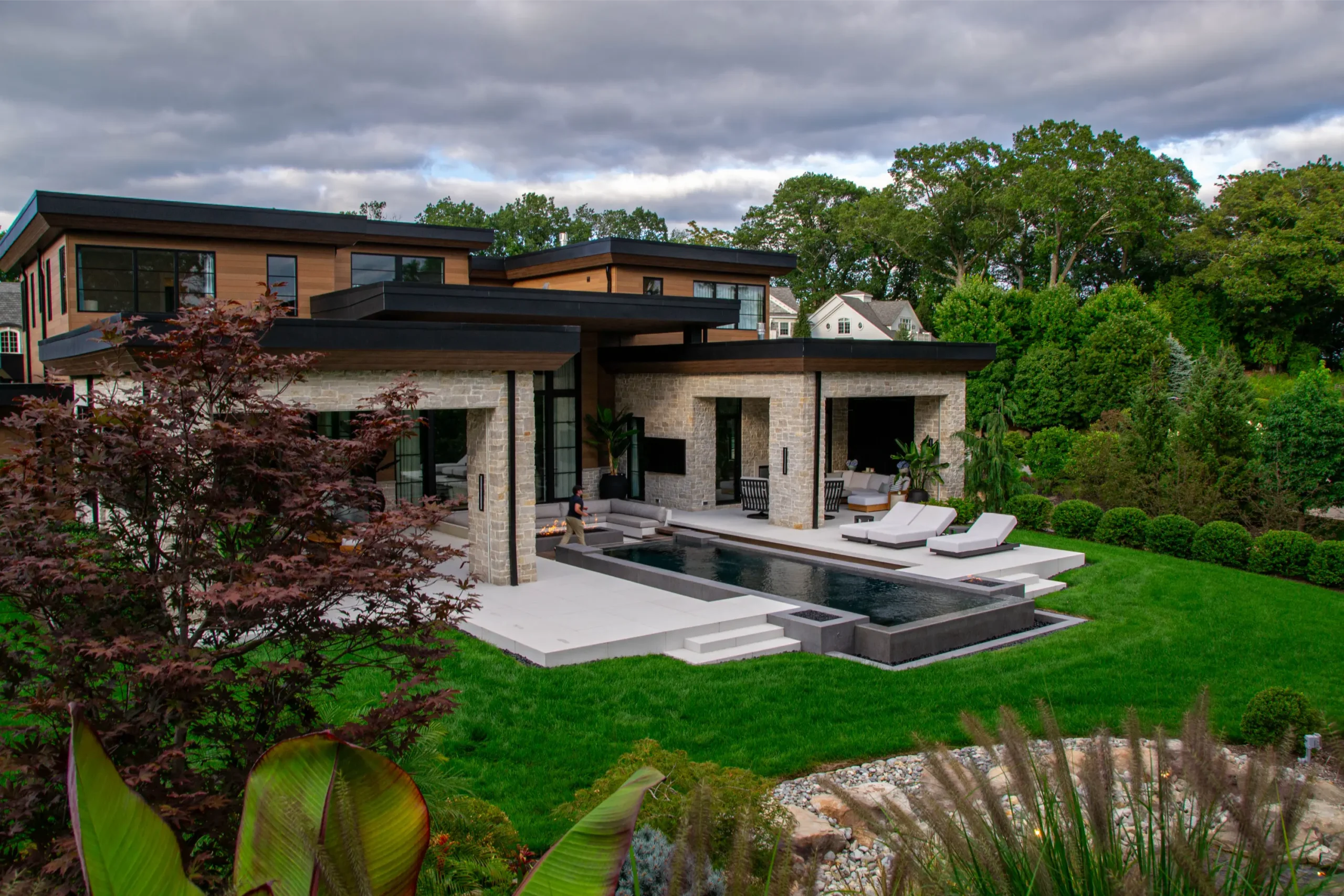
We’ve designed outdoor spaces in Washington, across the East Coast, throughout Florida, the Midwest, Texas, and in between. And what we’ve learned is simple:
When a yard is designed correctly for its location and the people who live there, it becomes usable, comfortable, and meaningful, no matter where it’s built.
The key isn’t designing every yard the same way.
Climate and Design Considerations
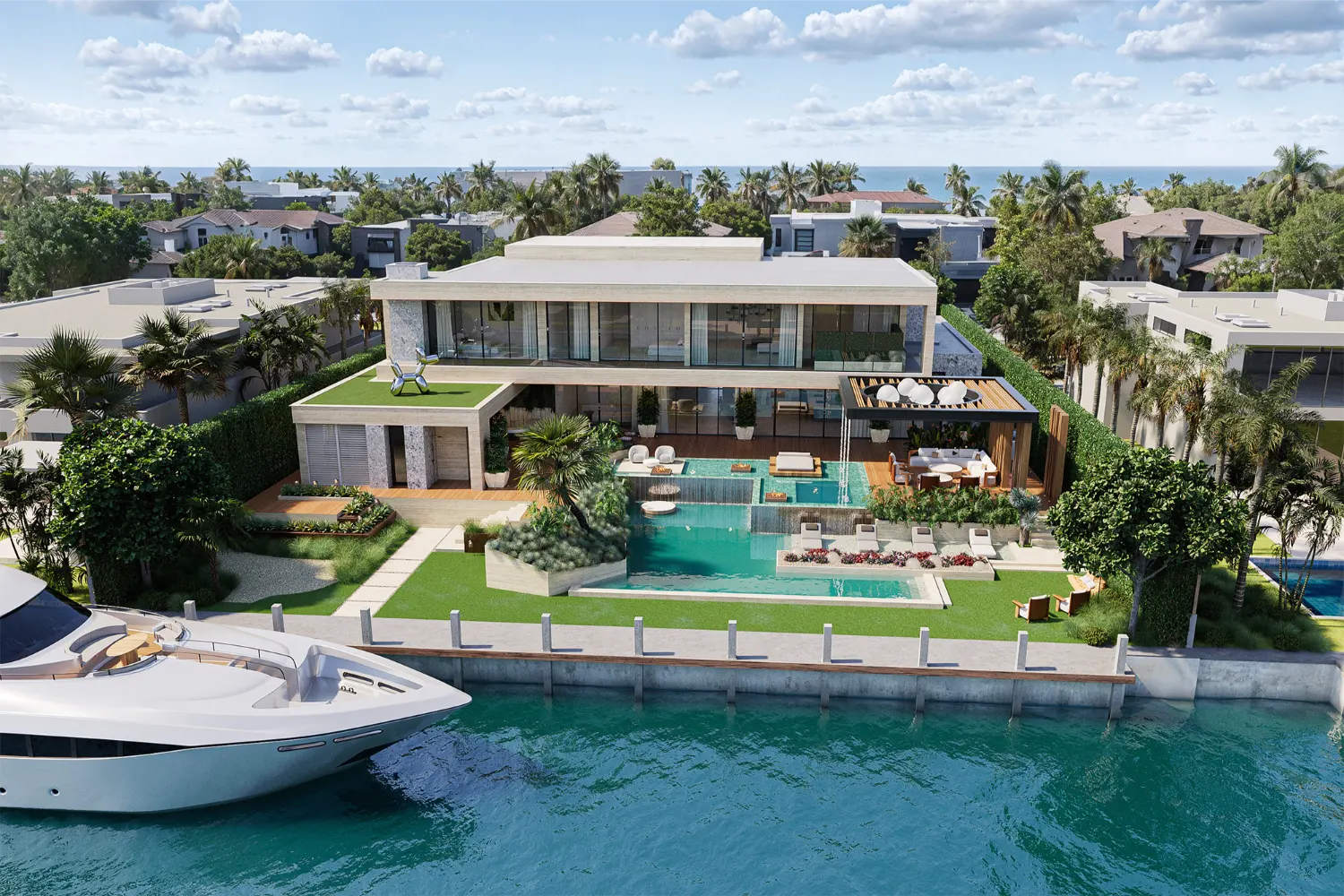
Climate matters a lot when you’re transforming your outdoor space – whether you are renovating, or starting on an undeveloped property.
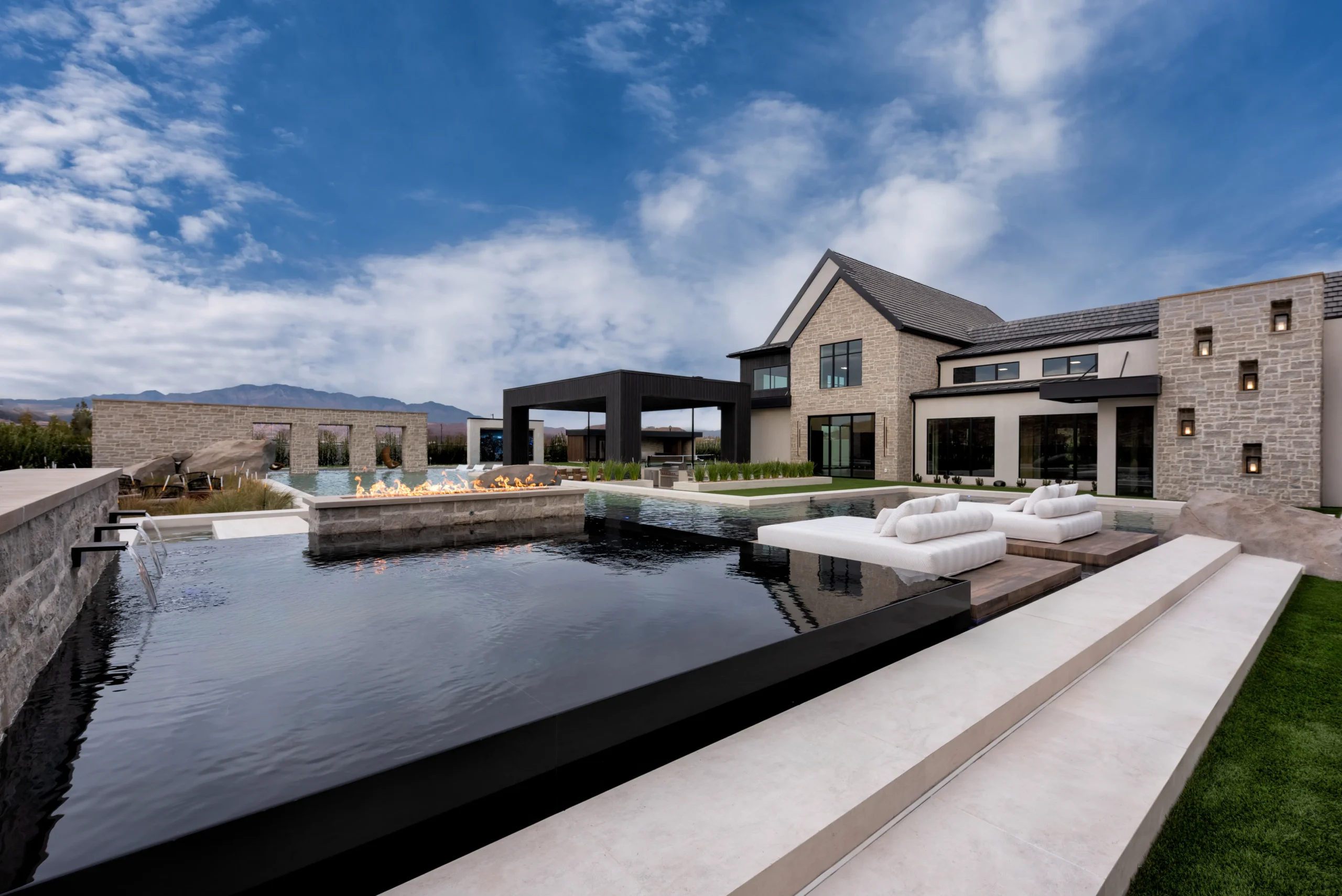
A backyard in Florida shouldn’t be treated the same as one in the Midwest. A property in Texas has different needs than a wooded site in the Pacific Northwest.
Pretending otherwise is how outdoor spaces end up looking good in photos but failing in real life.
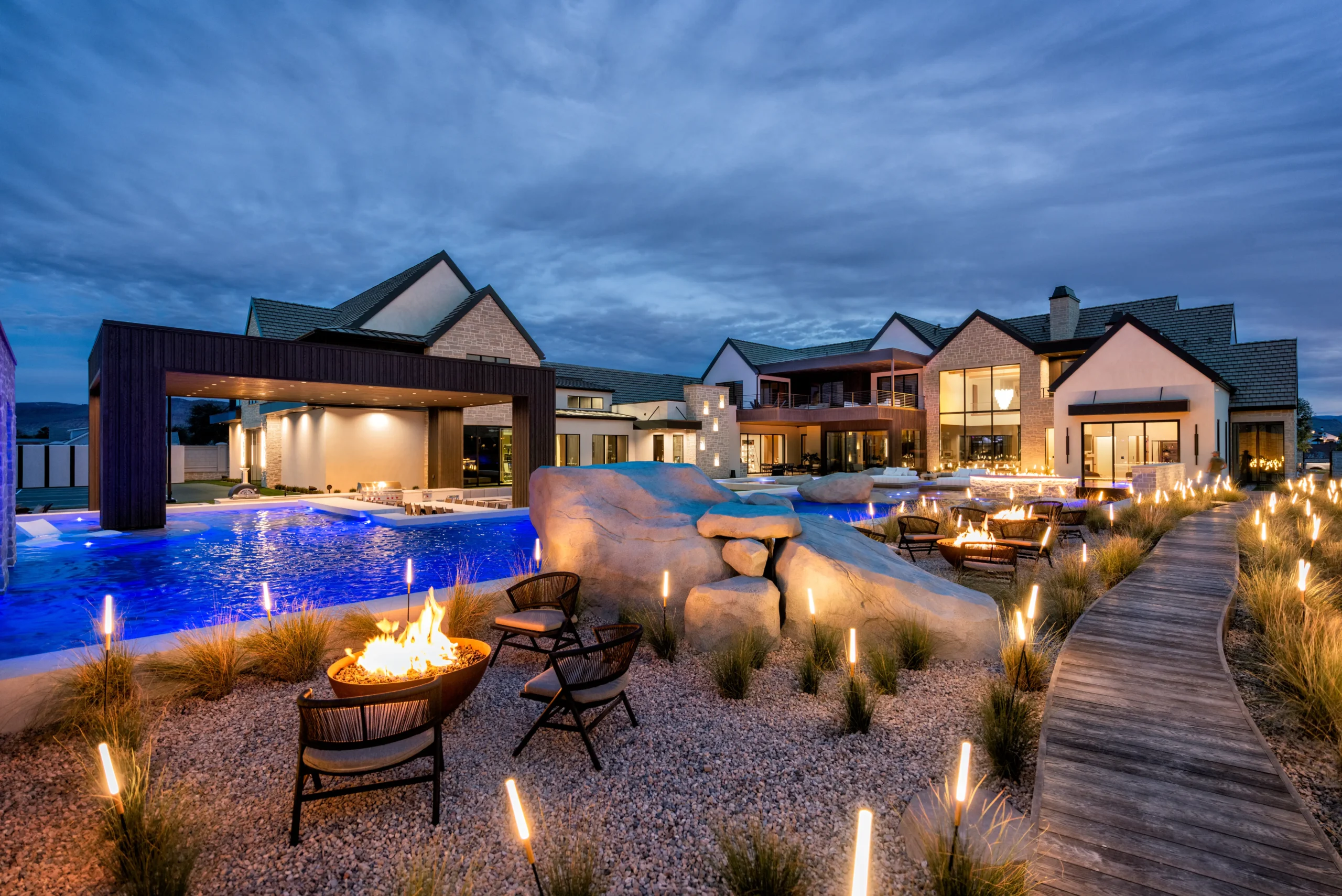
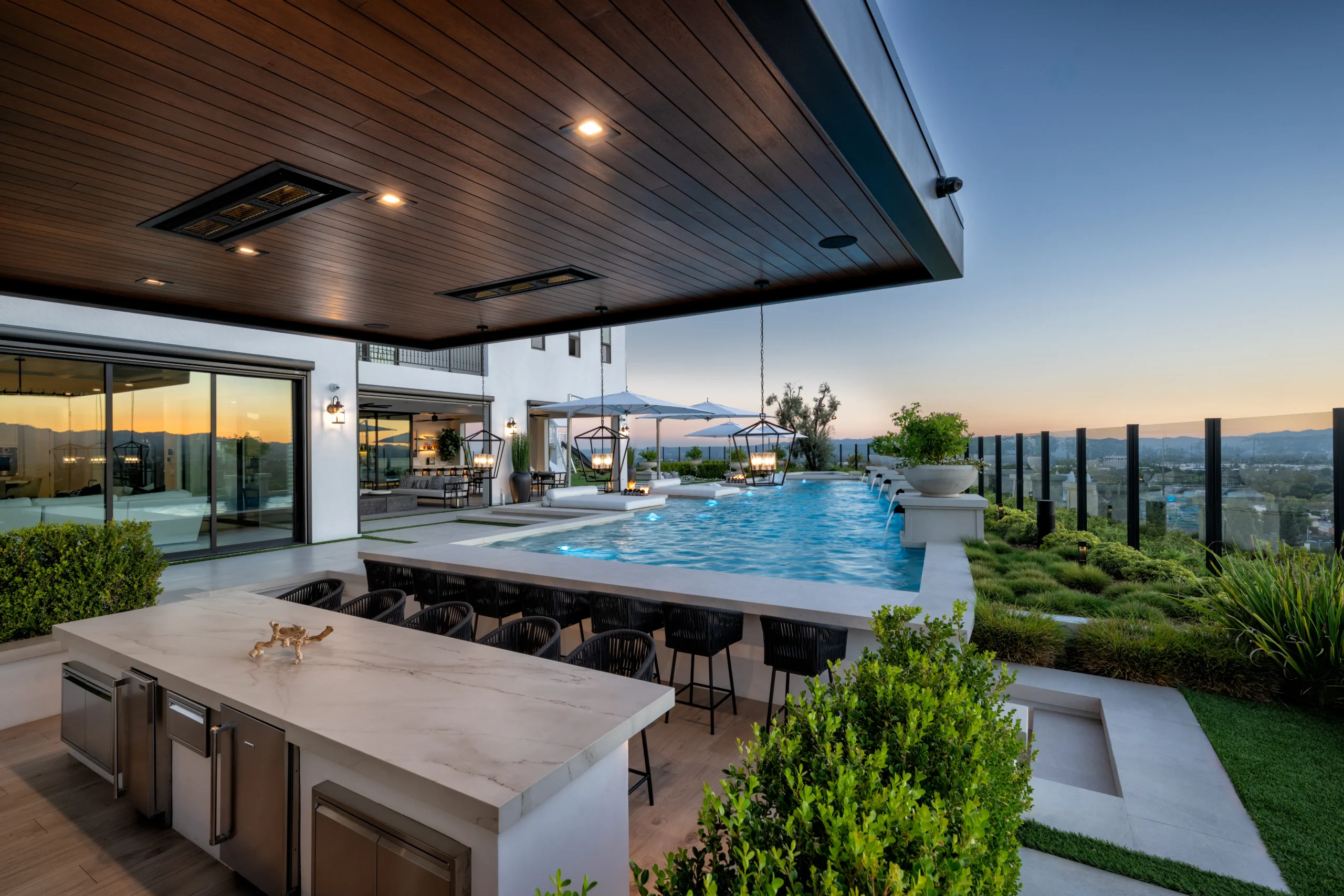
In warmer climates, we think first about shade, airflow, and materials that can handle heat and sun over time. Covered seating areas, thoughtful pool placement, and planting that actually thrives in humidity all come into play.
In colder or four-season climates, durability becomes just as important as aesthetics. Materials need to perform through freeze-thaw cycles. Drainage has to be right. Fire features, protected seating, and layouts that still feel intentional outside of summer matter more than people realize.
In hot, dry regions, the focus shifts again. Water use, heat reflection, and creating comfortable microclimates become the foundation of the design.
None of this is about trends. It’s about making sure the space works where it’s built.
How Your Property Influences Design
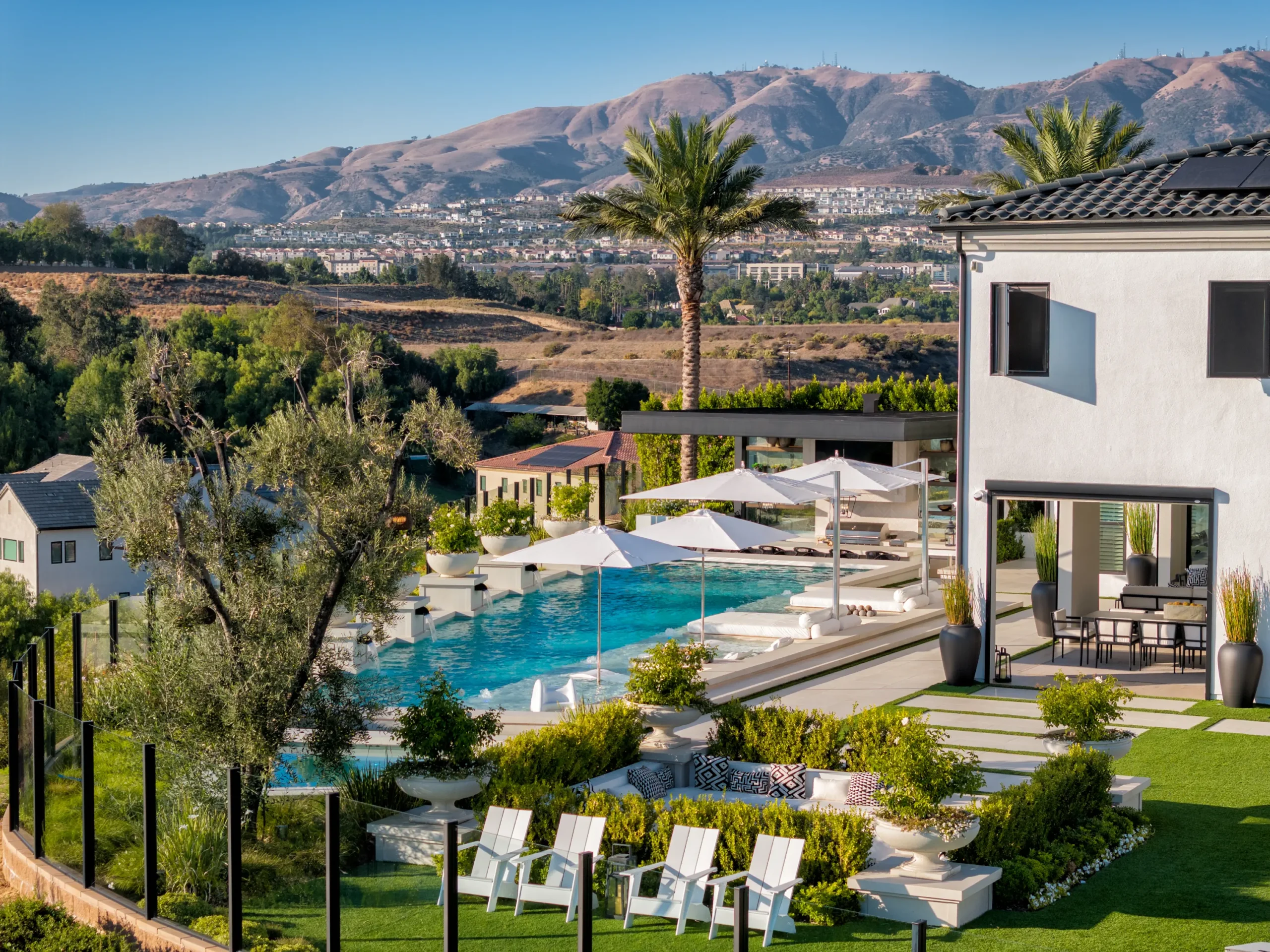
Even within the same climate, no two properties are the same.
Before we ever think about style or finishes, we study the site itself.
– The slope of the land.
– Where the sun hits throughout the day.
– What views should be framed, and which ones should disappear.
– How the home sits on the lot.
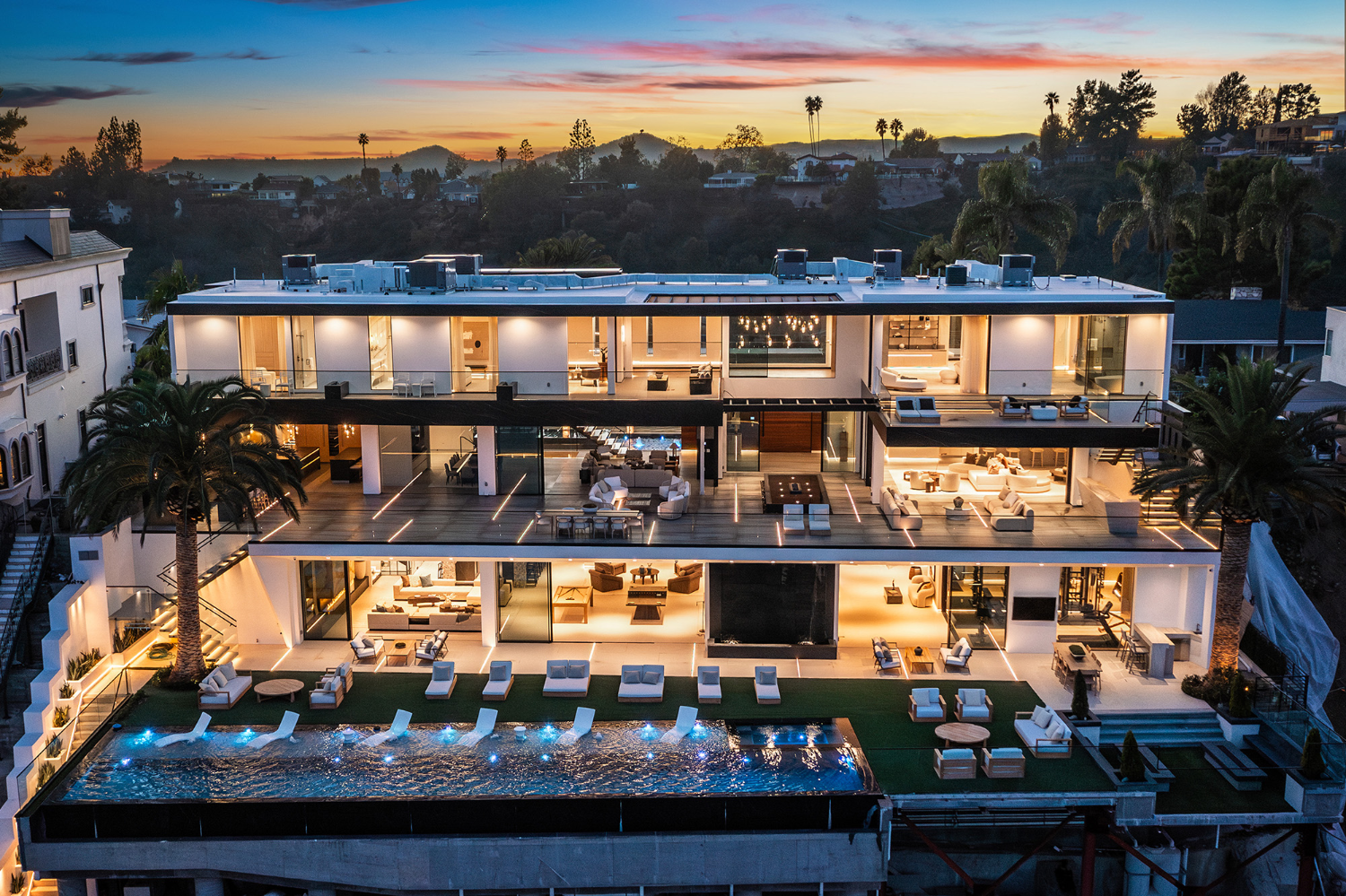
A flat suburban yard and a steep, natural site demand completely different approaches. A waterfront property has different priorities than a private, enclosed backyard.
But, no matter what your individual property looks like, good outdoor design makes the most of your existing outdoor space.
Designing Your Outdoor Space Around Your Lifestyle
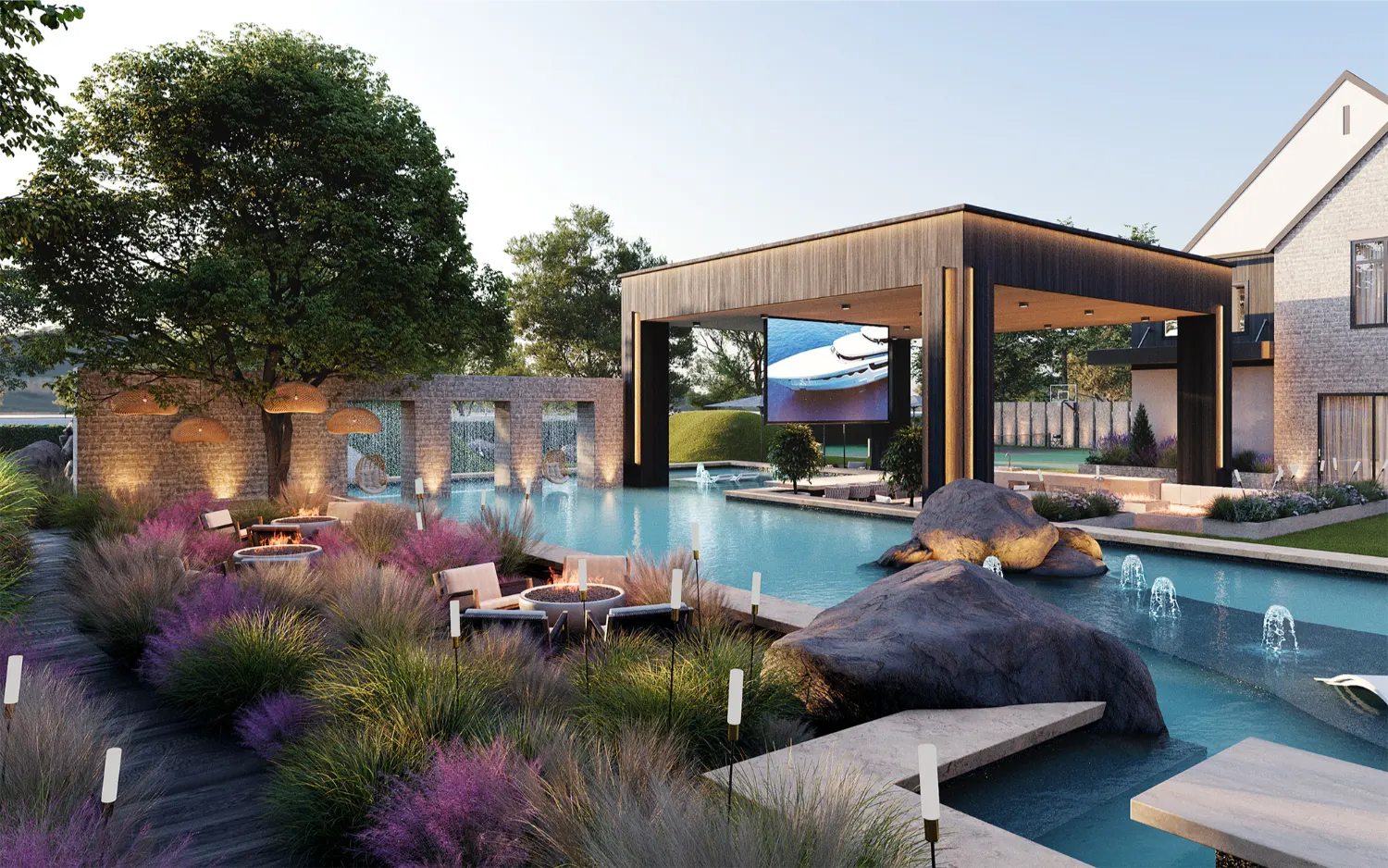
The most important factor in any design isn’t just the climate or your existing property.
It’s how you want to live in the space.
– Some clients want a place to entertain large groups.
– Others want something quieter.
– Some want a pool that feels like a resort.
– Others want a simple outdoor room they can use every day.
We design around real routines. Morning coffee. Weekend gatherings. Evenings outside after work.
When a space is built around those moments, it naturally gets used more.
That’s when a yard stops feeling like an accessory and starts feeling like part of the home.
Designing for Climate Starts Before Construction
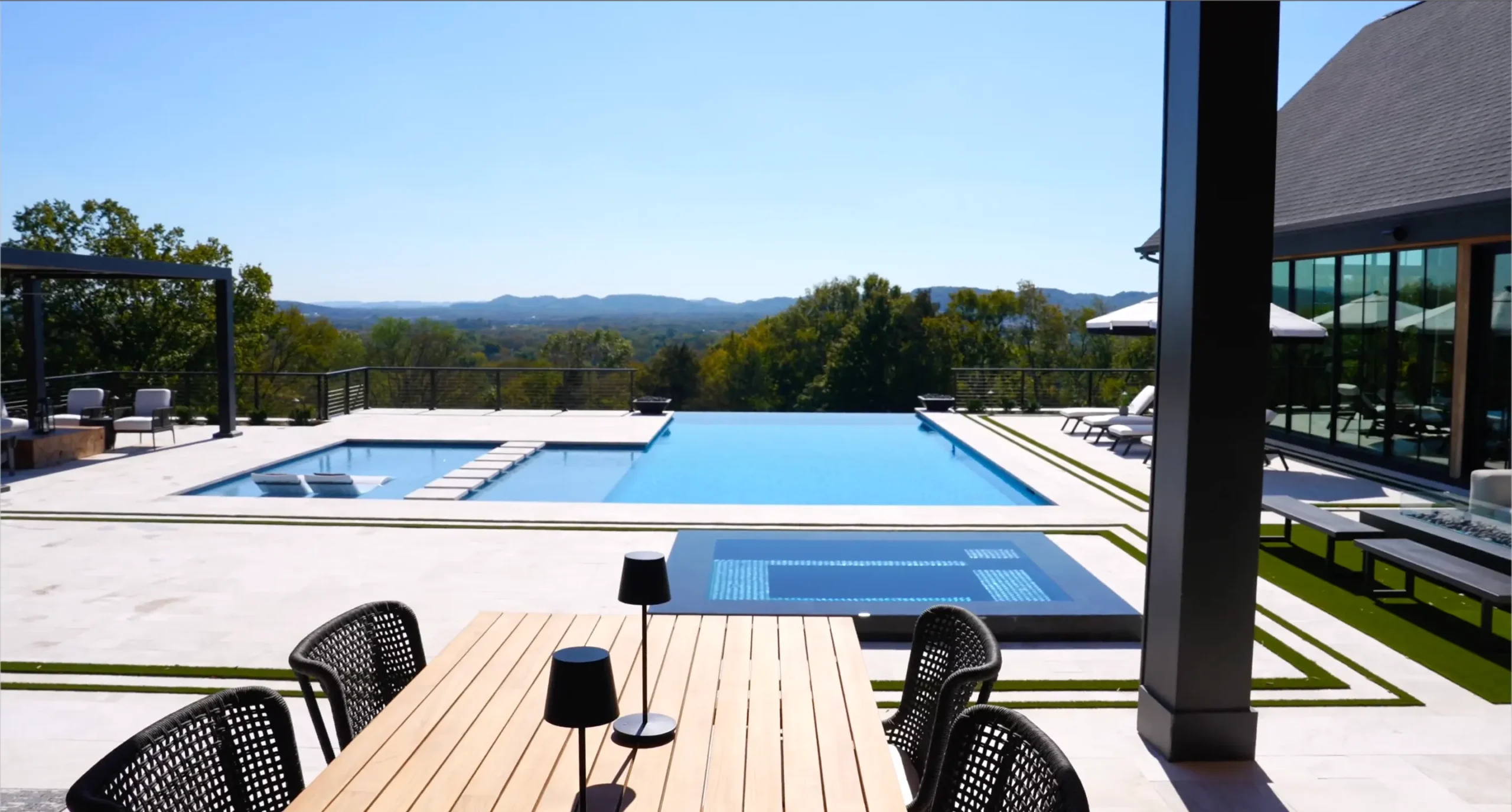
Designing for different climates means paying attention to details that aren’t always obvious during a site visit.
– Sun angles change by season.
– Drainage behaves differently after heavy rain.
– Some areas need shade and airflow. Others need protection and heat retention.
By recreating each home and property in 3D, we’re able to account for those variables early in the design process, so the space is designed for how it will actually perform in its climate, not how it looks on the day of a site visit.
Why Custom Design Is Important
A yard designed for your climate, your property, and your lifestyle will always outlast one built around a generic idea.
It will age better. It will get used more. And it will feel intentional instead of forced.
That’s the difference between outdoor spaces that look good on day one and those that still feel right years later.
Let’s Talk About Your Yard

No matter where you live, a well-designed outdoor space can change how you experience your home.
If you’re curious what your property and location make possible, we’re happy to talk it through.
Schedule a free design consultation and start the conversation.
Not ready to makeover your yard? Check out the free resources we created below – to help you as you start planning your new outdoor space.
👉 Start Your Design Today
📩 Subscribe for Weekly Design Ideas
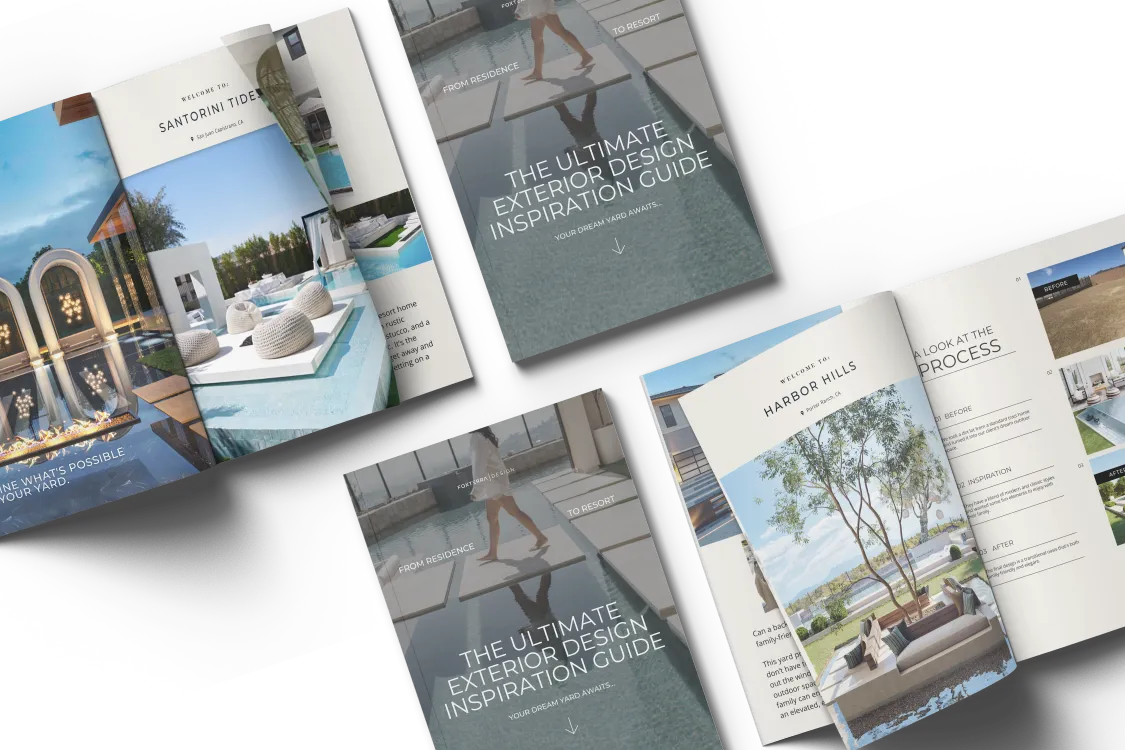
💭 Download Our Free Inspiration Guide
The Critical Design Element Most People Miss in Their Yards
How do you design a yard for quiet nights at home, but that can also be used to host large parties, celebrations, and events without feeling cramped or chaotic? In this video, we break down the design essentials for a truly multifunctional backyard, like understanding your real lifestyle, building versatility into every zone, avoiding common layout mistakes that ruin flow during events, and more.
Frequently Asked Questions
Q: Can outdoor spaces really work well in any climate?
A. Yes. Outdoor spaces can work well in any climate when they are designed for that specific location, the conditions of the property, and how the homeowner plans to use the space. Climate is a design input, not a limitation.
Q: Why does climate matter in outdoor design?
A. Climate affects material performance, shade and airflow needs, drainage behavior, plant selection, and long-term durability. Designing with climate in mind ensures the space performs well throughout the year, not just in ideal weather.
Q: What happens when outdoor spaces aren’t designed for their climate?
A. When climate isn’t properly considered, outdoor spaces often experience premature material wear, poor drainage, discomfort during peak seasons, and limited usability. These issues typically appear after construction, when they are harder to fix.
Q: How does property layout affect climate-responsive design?
A. Property layout influences how climate impacts a space. Factors such as slope, sun exposure, prevailing winds, and surrounding structures determine where shade, protection, or openness is needed in the design.
Q: How does lifestyle factor into climate-based outdoor design?
A. Lifestyle determines when and how an outdoor space is used. Designing around daily routines, entertaining habits, and comfort preferences ensures the space remains functional across seasons and changing weather conditions.
Q: How does 3D design help with designing for different climates?
A. 3D design allows designers to evaluate sun angles, shade patterns, drainage behavior, and seasonal changes before construction. This helps ensure the space is designed for real-world performance in its climate.
Behind The Blog

Justin Fox
Founder & Creative Director
Founder Justin Fox grew up with a passion for landscaping. After 15+ years building luxury yards and pools as a licensed contractor, he saw the limits of the design/build model. Homes get detailed, architect-led plans, so why shouldn’t yards? In 2019 he convinced brother Nate Fox to join him and launched Foxterra Design to focus on immersive, luxury outdoor spaces.
For this story, we’re exploring how designing for different climates ensures an outdoor space performs well, feel intentional, and remain usable year-round.

Nate Fox
Designer
Nate Fox helps shape Foxterra’s creative vision, blending architectural detail with a designer’s eye for proportion and flow. His work redefines the backyard as an extension of modern luxury living.
In recent features, Nate’s perspective has been quoted across leading design publications, including Homes & Gardens and Luxury Pools + Outdoor Living, where he shares practical, design-forward guidance on everything from integrating sculptural moments and sightlines to creating “living wall” effects that soften hard architecture and make compact spaces feel more expansive.